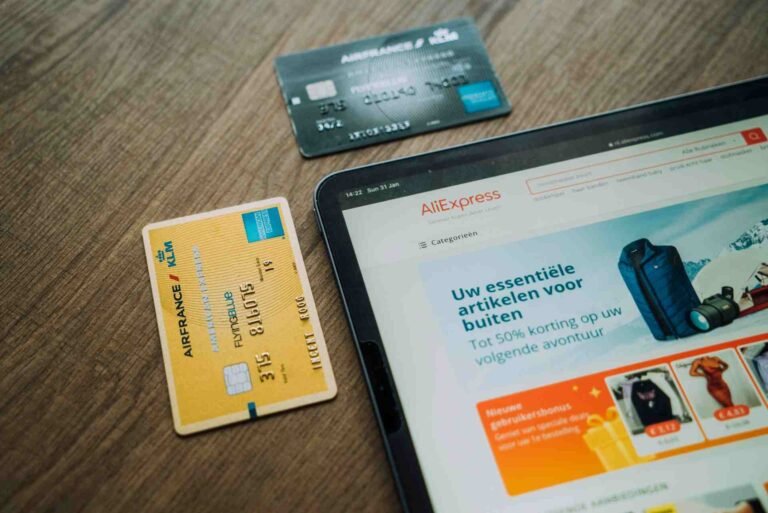

You’re at checkout on AliExpress and a small option appears: pay in US dollars or pay in your local currency. It looks trivial. It probably isn’t.
This is one of those checkout decisions that can quietly cost you money if you pick wrong, or save you nothing if you overthink it. The answer depends on which country you’re in, which payment method you’re using, and how your bank handles foreign currency conversion.
Quick answer
For most buyers in the UK, Canada, and Australia, paying in your local currency on AliExpress is usually better than paying in USD. When you pay in USD with a non-US card, your bank applies its own currency conversion, which often includes a foreign transaction fee and an unfavorable exchange rate. Paying in local currency moves the conversion to AliExpress’s payment processor, which often uses rates close to the mid-market rate. US buyers should pay in USD. For everyone else, comparing the total cost in both options at checkout tells you which is better for your specific bank.
What’s actually happening at checkout
When AliExpress shows you a currency option, it’s offering you a choice between two conversion paths.
Pay in USD: The price stays in US dollars. Your bank converts USD to your local currency when the charge posts. Your bank sets the exchange rate, often with a markup of 1 to 3%, plus a foreign transaction fee of 1.5 to 3% on many cards. You may not know the exact local currency amount until the charge clears.
Pay in local currency (GBP, CAD, AUD): AliExpress converts the price to your currency at checkout using its payment processor’s rate. Your bank charges you in your own currency, so no bank-side conversion happens and often no foreign transaction fee applies if your card treats it as a domestic-currency charge.
The critical question is whose exchange rate is better: your bank’s or AliExpress’s payment processor’s. For most buyers, AliExpress’s conversion rate is close enough to the mid-market rate that paying in local currency comes out cheaper when you factor in bank fees.
This is similar to the “dynamic currency conversion” question that comes up when you use a card abroad at an ATM or shop. The general rule there is the same: pay in the local currency of where the charge originates, not your home currency. With AliExpress, it’s flipped: pay in your local currency, not USD.
What most buyers get wrong
The common mistake is assuming USD is safer or more transparent because AliExpress prices are listed in dollars. It isn’t. The listed USD price is the base. What you actually pay depends on the conversion that follows.
The second mistake is not checking whether their card has a foreign transaction fee. Some cards, particularly premium travel cards and many credit unions in the US, have no foreign transaction fee. For those cardholders, paying in USD might cost nothing extra. For buyers on standard Visa debit cards with 2.5% foreign transaction fees, paying in local currency often eliminates that fee entirely.
The third mistake is not comparing both options at the checkout screen itself. AliExpress shows you the local currency amount before you confirm. Check both the local currency amount and what your card’s USD conversion would produce. The comparison takes ten seconds and tells you exactly which is cheaper for your specific transaction.
How risky is this decision, really?
Low. This is a cost optimization question, not a safety question.
Whichever currency you pay in, the transaction goes through AliExpress’s payment system with the same buyer protection. Your dispute rights, refund eligibility, and escrow protection are identical regardless of currency.
The only risk is paying slightly more than necessary by choosing the wrong option for your card type. That’s worth a quick check, not anxiety.
Country-by-country: what the currency choice means for you
United States
US buyers should always pay in USD. There’s no conversion involved. USD is AliExpress’s base currency. Paying in USD as a US cardholder is a domestic-currency transaction and the most straightforward option.
Some US cards have foreign transaction fees (typically 1 to 3%) because AliExpress is an international merchant even when transacting in USD. If your card has a foreign transaction fee, consider switching to a no-fee travel card for AliExpress purchases. Cards like the Chase Sapphire Preferred, Capital One Venture, or many credit union cards waive foreign transaction fees entirely.
For US buyers the currency question is simple. The fee question is worth checking.
United Kingdom
UK buyers should generally pay in GBP rather than USD. Paying in GBP through AliExpress’s processor typically avoids the foreign transaction fee that many UK debit and credit cards charge on USD transactions.
AliExpress’s GBP conversion rates are generally reasonable, usually within 1 to 2% of the mid-market rate. This is often better than a standard Visa or Mastercard bank conversion plus a 2.75% foreign transaction fee on top.
UK buyers with no-fee international cards (Starling, Monzo, Chase UK, Halifax Clarity, and similar) may find that USD and GBP come out similarly priced, since these cards don’t charge foreign transaction fees. For everyone else, GBP is usually the better choice.
One nuance for UK buyers: check whether the GBP amount shown at AliExpress checkout includes VAT. For orders under £135, VAT is collected at checkout. The displayed GBP total should reflect this. Confirm the breakdown before paying.
Canada
Canadian buyers generally benefit from paying in CAD rather than USD. Standard Canadian bank cards carry foreign transaction fees of 2 to 3.5% on USD transactions. Paying in CAD through AliExpress’s processor often bypasses these fees.
The CAD rate that AliExpress applies is typically close to the mid-market rate, making it competitive with or better than a bank conversion plus fee.
Canadian buyers using Scotiabank Passport Visa, Rogers World Elite Mastercard, or other no-foreign-fee Canadian cards may find the difference negligible. For everyone on standard bank debit or credit cards, paying in CAD usually saves a meaningful percentage of the order total.
Also worth noting for Canada: whatever currency you pay in, factor in the potential customs duty separately. The C$20 de minimis threshold applies regardless of how the transaction is denominated.
Australia
Australian buyers generally benefit from paying in AUD. Standard Australian Visa and Mastercard debit cards carry foreign transaction fees of 2 to 3% on USD-denominated transactions. AliExpress’s AUD conversion rate is typically close enough to the mid-market rate that the fee saving makes AUD the better option.
Australian buyers using cards like the 28 Degrees Mastercard, Bankwest Zero Mastercard, or Citibank Plus debit account, all of which have no foreign transaction fees, will find the difference smaller. For buyers on standard bank cards, paying in AUD is usually the cheaper option.
GST is collected at checkout on AliExpress for most Australian purchases. The AUD amount shown at checkout should reflect this.
What to do: how to choose the right currency at checkout
- Identify whether your card has a foreign transaction fee. Check your card’s terms or call your bank. Standard debit cards in the UK, Canada, and Australia typically charge 2 to 3.5%. Premium travel cards often charge nothing.
- At AliExpress checkout, check both currency options. AliExpress usually shows you a local currency total alongside the USD amount. Note both figures.
- If your card has a foreign transaction fee, pay in local currency. This routes the conversion through AliExpress’s processor and the charge to your bank is in your own currency, typically avoiding the fee.
- If your card has no foreign transaction fee, either option usually works. Compare the AliExpress local currency rate against your bank’s rate and choose the slightly better one.
- US buyers: always pay in USD. No conversion needed. Check separately whether your card charges a foreign transaction fee on international merchant charges and consider switching to a no-fee card if it does.
- If you’re unsure, default to local currency. For UK, Canadian, and Australian buyers on standard bank cards, this is almost always the better option and the downside of getting it wrong is minimal.
- Check the final charge amount on your statement after the transaction. This tells you what you actually paid. Compare it to the AliExpress checkout amount. If there’s an unexpected fee, that’s information for the next purchase.
Tips for minimizing currency costs on AliExpress
Use a no-foreign-transaction-fee card for all AliExpress purchases. This removes the fee variable entirely and makes the currency choice less consequential. In the UK, Starling and Monzo work well. In Canada, Scotiabank Passport Visa and Rogers World Elite. In Australia, 28 Degrees Mastercard. In the US, most travel rewards cards. This single change saves 2 to 3% on every international purchase, which adds up over time.
Don’t use prepaid travel cards for AliExpress. These often have their own conversion fees on top of the bank fees and can complicate dispute and chargeback processes.
Check the mid-market exchange rate at xe.com or Google before paying. This gives you a reference point to evaluate whether AliExpress’s local currency conversion is fair. If it’s within 2% of the mid-market rate, it’s competitive.
PayPal adds its own currency conversion layer. If you pay via PayPal, PayPal converts the USD price to your currency using its own rate, which is typically less favorable than AliExpress’s processor rate or your bank’s rate on a direct card transaction. Some buyers choose to link a card directly rather than using PayPal for this reason. The protection benefits of PayPal may still outweigh the slight cost, but it’s worth knowing.
Be aware of which currency refunds return in. If you’re refunded after a dispute, the refund typically goes back in the same currency as the original charge. If you paid in AUD and are refunded in AUD, your bank converts that back to AUD with no additional fee. If currency fluctuations occurred between purchase and refund, the local currency amount might differ slightly.
For large orders, the currency decision matters more. On a $15 purchase, a 2.5% fee is $0.38. On a $200 purchase, it’s $5. The currency decision is proportionate to order value. For high-value AliExpress purchases, spending a moment checking the options is worth it.
Takeaway
The USD vs local currency question on AliExpress is worth about thirty seconds of attention at checkout. For US buyers, pay in USD. For UK, Canadian, and Australian buyers on standard bank cards, pay in local currency and you’ll almost always come out better because you avoid the foreign transaction fee your bank would charge on a USD transaction.
This doesn’t change the safety of your purchase, your buyer protection, or anything else about the transaction. It just affects whether you pay slightly more or slightly less than necessary.
The buyers who consistently save the most on AliExpress are the ones using no-foreign-fee cards and paying in local currency. That combination eliminates the currency cost entirely and lets the platform’s price advantage work fully in their favor.
FAQ
Does the currency I pay in affect AliExpress buyer protection? No. Buyer protection, dispute rights, and refund eligibility are identical regardless of whether you pay in USD or local currency. This is a cost question, not a safety question.
Why does AliExpress show prices in USD? AliExpress uses USD as its base currency because it’s the dominant currency in international trade and most of its sellers price in USD. The local currency display is a conversion for your convenience.
What exchange rate does AliExpress use for local currency conversion? AliExpress’s payment processor typically uses a rate close to the mid-market rate with a small margin, usually around 1 to 2%. This is competitive with bank rates but not always identical. Checking xe.com before checkout gives you a reference point.
Does PayPal use a different exchange rate than a direct card payment? Yes. PayPal applies its own conversion rate, which is typically less favorable than both AliExpress’s processor rate and your bank’s rate. If you use PayPal and it offers “Pay in your currency” or “Pay in seller’s currency,” choose “Pay in seller’s currency” (USD) and let your card do the conversion instead of PayPal.
What if my card doesn’t offer a foreign transaction fee refund? Most standard debit and credit cards in the UK, Canada, and Australia charge foreign transaction fees. You can’t retroactively remove these fees, but you can minimize future ones by switching to a no-fee card or consistently paying in local currency to avoid the fee trigger on future orders.
Will I always see a local currency option at AliExpress checkout? Usually, but not always. Availability depends on the seller, the payment method you’re using, and your account settings. If you don’t see a local currency option, the charge will be in USD and your bank’s conversion will apply.
Does paying in local currency affect how the refund works? Refunds return in the same currency as the original charge. Paying in local currency means your refund returns in local currency directly, without a secondary conversion step. This is generally cleaner than a USD refund being converted back by your bank.
Help a Friend Save Money: