
You’ve found a product on AliExpress for a fraction of the Amazon price, and now you’re trying to decide whether the wait is actually worth it. Or maybe you’re just curious how different the delivery experience really is and whether the horror stories about month-long waits are the norm or the exception.
Both are fair questions. The honest answer is that AliExpress and Amazon operate on fundamentally different delivery models, and comparing them head-to-head only makes sense once you understand what each is actually doing.
Quick answer
Amazon standard delivery in the US, UK, Canada, and Australia typically takes 1 to 5 days. Prime same-day or next-day delivery is available for many products. AliExpress standard delivery takes 15 to 30 days for most orders shipping from China. Choice products from local warehouses can arrive in 3 to 7 days, closing much of the gap. The delivery time difference is real and significant. Whether it matters depends entirely on what you’re buying and when you need it.
Why the delivery gap exists and what it actually means
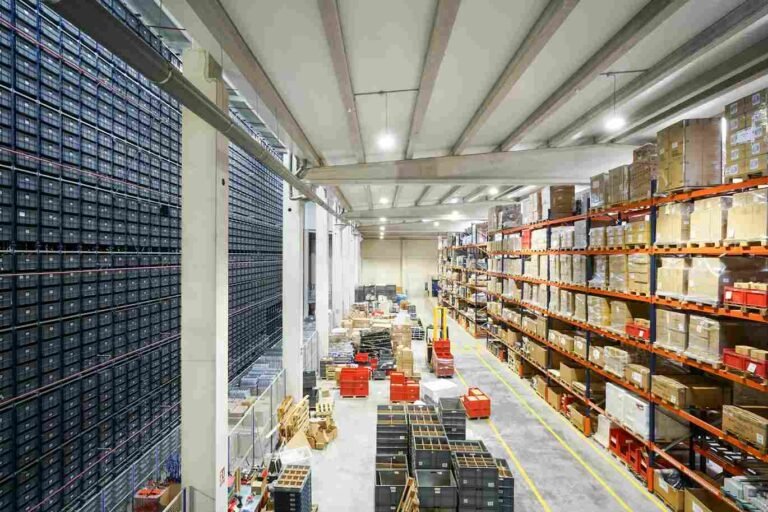
Amazon has spent billions building fulfillment infrastructure in the US, UK, Canada, and Australia. When you order something on Amazon Prime, it’s almost certainly sitting in a warehouse within 100 miles of you. The path from “order placed” to “package at door” involves domestic logistics only, which is why same-day and next-day delivery is possible.
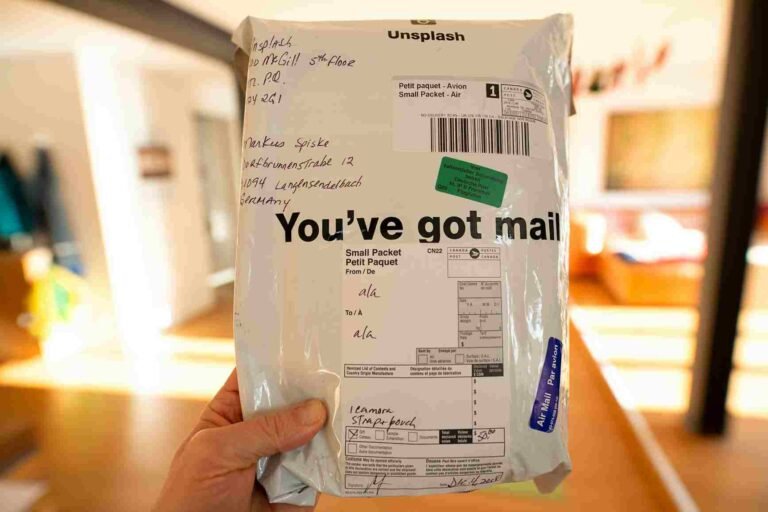
AliExpress is a different model entirely. Most sellers are in China, and most inventory sits in Chinese warehouses. Your order travels internationally: from the seller’s location through export processing, onto an international flight, through customs in your country, and then through your domestic postal network to your door. That chain takes time regardless of how efficient each step is.
The gap isn’t about one platform being better or worse. It’s about two fundamentally different supply chains.
What closes the gap: AliExpress’s local warehouse network. For buyers in the US and UK especially, a growing portion of AliExpress inventory sits in local fulfillment centers. Orders from these ship domestically and arrive in 3 to 7 days, which is not far off standard Amazon delivery. The tradeoff is that local warehouse product range is narrower than what ships from China.
What Amazon actually delivers and when
Amazon’s delivery promises are more complicated than they appear, and understanding them helps calibrate the comparison honestly.
Prime next-day and same-day: Available for a subset of products, usually those marked “Prime” and “FREE Same-Day Delivery” or “FREE One-Day Delivery.” Not every product qualifies and availability varies by location.
Standard Prime (2-day): The headline promise. In practice, 2-day delivery is reliable in the US for most Prime-eligible products in major metropolitan areas. Rural addresses and less common products often slip to 3 to 5 days.
Non-Prime Amazon delivery: Standard delivery for non-Prime customers typically runs 5 to 8 business days. This is closer to the territory where AliExpress local warehouse orders become directly competitive.
Amazon third-party sellers: A meaningful share of Amazon products are sold by third-party sellers, sometimes from China, sometimes warehoused by Amazon under FBA, sometimes shipping directly from the seller. Products sold and fulfilled by these third-party sellers can have delivery times of 10 to 20 days, which is actually in AliExpress territory. This is worth noticing because many buyers assume “Amazon” means fast delivery when the specific product’s actual seller matters a lot.
How risky is the wait on AliExpress?
The main risk of the longer AliExpress delivery window isn’t that packages get lost more often. It’s the anxiety of waiting and the narrower window for intervention if something does go wrong.
AliExpress buyer protection runs for 60 to 90 days from the order date, depending on the seller and order type. That window covers most delivery scenarios comfortably. The risk comes from buyers who forget to check the expiry date and let it lapse before their package arrives.
Amazon’s return and refund process is faster and simpler than AliExpress’s dispute process, for problems that actually arise. That’s a genuine advantage in Amazon’s favor that isn’t about delivery speed but about what happens when something goes wrong.
For most purchases where nothing goes wrong, which is the majority, the wait is the only real tradeoff.
Country-by-country: the real delivery comparison
United States
Amazon Prime delivers in 1 to 2 days for eligible products in most US addresses. Same-day delivery is available in major metro areas. The US has the most developed Amazon logistics network in the world.
AliExpress Standard Shipping to the US takes 15 to 25 days from China. AliExpress Choice from US local warehouses takes 5 to 7 days. Express courier (DHL) takes 7 to 12 days.
The practical comparison: for anything where you need it within a week, Amazon Prime wins decisively. For anything where you can wait two to three weeks and want to pay significantly less, AliExpress is competitive. For AliExpress Choice products from US warehouses, the delivery gap narrows to the point where it’s a non-issue for most non-urgent purchases.
United Kingdom
Amazon Prime in the UK delivers next day for most Prime-eligible products. Same-day is available in some areas. Standard delivery for non-Prime runs 3 to 5 days.
AliExpress Standard Shipping to the UK takes 15 to 25 days from China. Choice from local UK or European warehouses takes 3 to 7 days. DHL express takes 7 to 12 days.
UK buyers considering AliExpress also need to factor in VAT, which is collected at checkout for orders under £135. The landed cost comparison with Amazon (which already includes UK VAT) is more accurate than comparing pre-tax prices.
Canada
Amazon Canada’s Prime delivery promise is 2-day delivery for eligible products, though coverage is less consistent than the US, particularly for addresses outside major cities. Standard delivery runs 5 to 8 days.
AliExpress Standard Shipping to Canada takes 20 to 35 days, making it the longest average wait of the four countries. Choice local warehouse options in Canada are more limited than the US or UK. DHL express takes 10 to 15 days.
Canadian buyers face the most significant delivery gap between the platforms, compounded by the lower de minimis threshold that can add customs fees to AliExpress orders. For Canadians, the price savings need to be weighed against longer waits and potential duty costs.
Australia
Amazon Australia’s Prime delivery is 1 to 3 days for eligible products in major cities. The logistics network is less mature than the US or UK, and regional Australia sees slower delivery times.
AliExpress Standard Shipping to Australia takes 15 to 30 days. Local warehouse coverage for Australia is limited. DHL express takes 10 to 15 days.
Australian buyers face a meaningful delivery gap. Amazon Australia has also expanded its product range significantly in recent years, which has reduced some of the catalog advantage AliExpress once had. For products available on both platforms, the comparison increasingly comes down to price versus speed.
When AliExpress delivery is actually fine, and when it isn’t
This is the practical question, and it’s more useful than a direct head-to-head comparison.
AliExpress delivery works well when:
You’re not in a rush. Hobby supplies, craft materials, home decor, seasonal items, replacement parts for non-urgent repairs. These are categories where a 20-day wait is irrelevant to your actual use case.
You’re ordering ahead. Regular AliExpress buyers plan. They order things they know they’ll need in three to four weeks. The wait feels shorter when you’ve built it into your expectations.
You’re buying from a local warehouse. Choice products in US and UK local warehouses often arrive faster than non-Prime Amazon orders.
AliExpress delivery doesn’t work well when:
You need something by a specific date. A gift for next Saturday, a part that stops your work, something for an event. AliExpress standard shipping is not reliable for deadlines.
The item is time-sensitive by nature. Perishables, event supplies, replacement parts for things you use daily. Not the right use case.
You’re comparing Amazon Prime for convenience goods. Amazon Prime for everyday household items is a different service with a different proposition. AliExpress doesn’t compete on that.
What to do: choosing the right platform for your order
- Establish whether time matters for this purchase. If yes, Amazon or AliExpress express shipping. If no, standard AliExpress is worth considering.
- Check if the product is available from an AliExpress local warehouse. Filter for “Ship from US” or “Ship from UK” before assuming you’re looking at a 25-day wait. For eligible products, local warehouse delivery brings AliExpress into direct competition with standard Amazon delivery.
- Calculate the total landed cost for AliExpress, including shipping and customs. Then compare with Amazon’s total price. For many product categories, AliExpress comes out 30 to 60% cheaper even after all costs. That’s the decision point: how much is the time difference worth to you in dollars.
- For time-sensitive purchases, use AliExpress express courier. DHL express from AliExpress adds cost but delivers in 7 to 12 days in most markets. This is faster than standard Amazon delivery for non-Prime customers.
- For AliExpress purchases, check the buyer protection expiry date after ordering. Set a reminder for two weeks before it expires. If the package hasn’t arrived by then, take action rather than hoping it shows up.
- Use Amazon for what it’s genuinely better at: speed, easy returns, consistent product quality for standard goods, and anything you need within 48 hours.
Tips for managing the delivery gap
Order AliExpress items you’d buy anyway, just earlier. The 20-day wait disappears as a problem if you place the order when you think of it rather than when you urgently need it. This is how most experienced AliExpress buyers operate.
Use AliExpress for the long tail, Amazon for the mainstream. Amazon’s broad selection covers mainstream products efficiently. AliExpress excels at niche items, specialist supplies, and specific components that Amazon either doesn’t carry well or prices significantly higher.
Track both orders the same way. Add your AliExpress order number to 17Track for better tracking than the AliExpress app provides. Knowing where your package is reduces the perceived wait considerably. The anxiety of not knowing is worse than the actual transit time.
Consider AliExpress Choice for your first orders. If you’re new to the platform and uncertain about delivery reliability, Choice products with local warehouse stock give you a more Amazon-like first experience. Once you’re comfortable with the platform, you can explore the broader marketplace.
Don’t conflate return complexity with delivery speed. Amazon’s easy returns are a separate advantage from delivery speed. Both are worth considering, but they’re different factors. A product you’re confident about doesn’t need easy returns. The delivery speed question and the returns question deserve separate answers.
Takeaway
Amazon is faster. That’s not spin or a caveat. For buyers in the US, UK, Canada, and Australia, Amazon Prime delivers in a timeframe that AliExpress standard shipping can’t match.
The question isn’t which platform delivers faster. It’s whether the delivery time difference matters enough for the specific thing you’re buying to justify paying significantly more, because the price gap between the platforms is real and consistent across most categories.
Experienced online shoppers use both platforms for different purchases. Amazon Prime for things needed quickly or where the convenience is worth the premium. AliExpress for everything else, especially when the savings are substantial and the wait is irrelevant to how you’ll actually use the product.
That’s the rational framework. The delivery comparison is a real factor to weigh, not a reason to avoid one platform entirely.
FAQ
Is AliExpress ever faster than Amazon? For specific products, yes. AliExpress Choice orders from local warehouses in the US and UK can arrive in 3 to 5 days, which is faster than non-Prime Amazon standard delivery. For most comparisons though, Amazon Prime is faster.
What’s the fastest AliExpress can deliver to the US? Local warehouse orders via Choice can arrive in 3 to 5 days. Express DHL from China takes 7 to 12 days. Standard shipping from China is 15 to 25 days.
Is Amazon Prime worth it just for faster delivery vs AliExpress? That depends on how often you order and whether speed regularly matters to you. If you order frequently and often need things quickly, Amazon Prime pays for itself easily. If most of your purchases are non-urgent and price matters more, the Prime membership cost may not be justified.
Does AliExpress have anything similar to Amazon Prime? AliExpress Choice is the closest equivalent, offering better sellers, faster dispatch, and local warehouse delivery in supported markets. It’s not a subscription service but it functions as a quality filter with similar benefits.
Why do some Amazon products take as long as AliExpress? Third-party sellers on Amazon who ship directly from their own inventory, including from China, can have delivery times of 10 to 20 days. Products fulfilled by Amazon (FBA) are faster, but not all Amazon listings are FBA. Check “Sold by” and “Fulfilled by” on the product page before assuming Prime delivery speed applies.
Is it possible to use both AliExpress and Amazon strategically? Absolutely. Most value-conscious online shoppers do. Amazon for urgent purchases and mainstream goods. AliExpress for non-urgent, price-sensitive, niche, or specialist purchases. The platforms complement each other more than they compete.
Does AliExpress ever run out of stock the way Amazon does? Less commonly for individual items, because the marketplace has multiple sellers listing the same product. If one seller runs out, alternatives usually exist. The downside is that choosing between sellers requires more judgment than buying from Amazon’s unified listing.
Help a Friend Save Money: