
You want to buy something on AliExpress but the whole process feels like there are too many ways it could go wrong. The seller might be unreliable. The product might not match the photos. The shipping might take forever. You might not get your money back if something goes wrong.
All of those concerns are real. And all of them are manageable with the right approach. Here’s the complete buying checklist that experienced AliExpress buyers follow, covering everything from product search to after the package arrives.
Quick answer
Safe AliExpress buying comes down to five stages: finding the right product from a vetted seller, choosing the right shipping option, paying with the right method, tracking your order and protecting the buyer protection window, and inspecting before confirming receipt. Follow these stages in order on every purchase and your outcomes improve dramatically.
Why a checklist approach works on AliExpress
AliExpress is not Amazon. Amazon makes many decisions for you: vetting sellers, controlling returns, guaranteeing delivery windows. AliExpress is an open marketplace where your decisions determine your experience. The platform has the tools to protect you, but only if you use them correctly.
The buyers who consistently have good experiences aren’t lucky. They’ve developed habits that make positive outcomes more likely and negative outcomes recoverable. Those habits are what this checklist captures.
Stage 1: Before you buy
Step 1: Search and filter effectively
Don’t start with the cheapest result. Start with filtered results.
In the AliExpress search bar, find what you’re looking for. Then apply these filters before you browse:
- Choice: filters to sellers who meet AliExpress’s baseline dispatch and quality standards
- Ship from [your country]: surfaces local warehouse stock for faster delivery where available
- 4 stars and up: removes clearly low-rated sellers from results
These filters don’t guarantee a perfect purchase. They raise the floor on quality and reliability considerably.
Step 2: Compare at least three listings
Don’t buy the first result. Open three or four listings for the same product and compare:
- Price (including shipping)
- Shipping estimate and method
- Seller store age
- Product-specific order count
- Thumbnail review photos
The best option is rarely the cheapest. Often it’s a slightly higher price from a seller with meaningfully stronger credentials.
Step 3: Vet the seller
Click through to the seller’s store page before buying. Check:
- Store opening date: minimum 12 months, ideally 2 or more years
- Total transactions: higher is better, but check the product-specific count too
- Item as Described score: should be above 4.5 and “above average” for the category
- Shipping Speed score: particularly relevant if delivery time matters to you
- Response rate: useful if you might need to contact them
A seller who scores well across these dimensions has a real track record, not just a polished listing.
Step 4: Read reviews the right way
Don’t read the top reviews. Don’t rely on the star average alone.
Do:
- Go to buyer photos first: real product photos from real buyers are the most honest signal on the platform
- Switch sort to “Most Recent”: see what’s happening now, not two years ago
- Filter to 3 and 4-star reviews: these contain honest observations that five-star reviews often don’t
- Search within reviews for specific keywords: “size,” “quality,” “arrived,” material names
Identify the pattern across multiple reviews, not what a single reviewer said.
Step 5: Screenshot the listing
Before you buy, screenshot:
- The product title and main photos
- The description (especially material, dimensions, specifications)
- The shipping promise
- The seller’s store page with their metrics
If you need to dispute later, the original listing is your primary evidence. Sellers can edit listings after purchase. Your screenshot is your record.
Stage 2: At checkout
Step 6: Verify your item variation
Select the correct variation (size, color, model, quantity) carefully. Check the variation photos where available. Many disputes trace back to a buyer selecting the wrong variant at checkout.
Read the size chart if you’re ordering clothing. Measure yourself in centimeters. Don’t rely on size labels.
Step 7: Confirm your shipping address
AliExpress sometimes autofills an address from a previous order. Verify the delivery address is correct before paying. Apartment numbers, unit numbers, and postcodes matter. An incorrect address is extremely difficult to fix after the order is placed.
Step 8: Choose the right shipping method
- Local warehouse stock (“Ship from [your country]”): fastest, 3 to 7 days, no customs
- AliExpress Standard Shipping: tracked, reliable, 15 to 25 days for most markets
- DHL/FedEx Express: fast (7 to 12 days), more expensive, worth it for higher-value orders
- Free untracked shipping: avoid for anything you care about receiving
Always choose a tracked shipping option. Without tracking, disputes are much harder to win.
Step 9: Pay with the right method
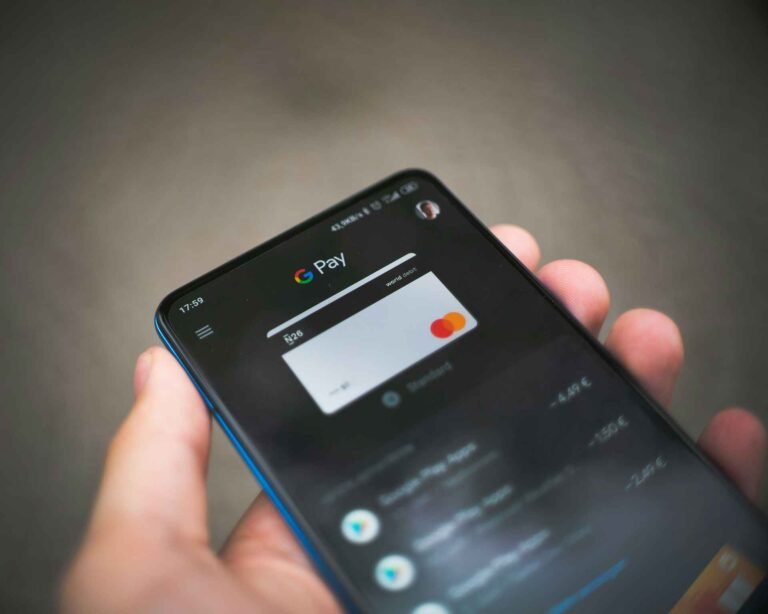
Use a credit card (Visa or Mastercard) as your primary option. Credit cards give you AliExpress buyer protection plus independent chargeback rights through your bank.
PayPal is the next best option. It adds PayPal’s own 180-day protection on top of AliExpress’s system.
Avoid bank transfers. They offer no chargeback mechanism if the platform dispute doesn’t resolve well.
For US buyers: consider a no-foreign-fee card to avoid the 1 to 3% international transaction fee on every purchase.
Stage 3: After you pay
Step 10: Note your buyer protection expiry date
Immediately after placing an order, go to “My Orders” and find the buyer protection countdown for that order. Set a calendar reminder for two weeks before this date.
This deadline is the most important number in your entire AliExpress experience. If something goes wrong and you don’t act before this date, your AliExpress recourse disappears.
Step 11: Track your order
Add your tracking number to 17Track.net for more detailed tracking than the AliExpress app provides. Standard shipping goes through multiple carriers and tracking often goes quiet at border crossings for 5 to 10 days. This is normal.
If tracking shows no movement for more than 14 days after dispatch, message the seller and check your protection window.
Step 12: Monitor your protection window
Two weeks before expiry, if the order hasn’t arrived:
- Message the seller asking for an update
- Request a protection window extension in “My Orders” if delivery is delayed
- Open a dispute if the window is close and the package hasn’t arrived
Don’t wait to see if it shows up. Open the dispute first. You can close it if the package arrives.
Stage 4: When the package arrives
Step 13: Inspect before confirming receipt
Open the package. Check:
- Is the item the right product and variation?
- Does it match the listing photos and description?
- Is there any damage?
- Does it function as described (for electronics and mechanical items)?
Do this before you click “Order Received” or “Confirm Receipt.” Once you click that button, you release the payment to the seller and your AliExpress buyer protection ends. Don’t click it until you’ve completed this check.
Step 14: Document any problems immediately
If something is wrong:
- Photograph the unopened package
- Photograph the contents
- Photograph the specific problem
- Keep the original listing screenshots
This documentation is your evidence if you open a dispute. Specific, visual evidence resolves disputes faster than written descriptions alone.
Step 15: Open a dispute if needed
Go to “My Orders,” find the order, and click “Open Dispute.” Choose:
- “Package Not Received” if the order never arrived
- “Item Not as Described” if what arrived is wrong, damaged, or significantly different from the listing
Upload your evidence. Be specific in your description. The dispute enters negotiation with the seller first. If that doesn’t resolve it, escalate to AliExpress mediation.
How risky is AliExpress without this checklist?
Noticeably riskier. The buyers who consistently have bad experiences on AliExpress almost universally share the same habits: buying the cheapest listing without checking the seller, ignoring the protection window, clicking “Order Received” before inspecting, and not keeping documentation.
The buyers who consistently have good experiences have developed the habits in this checklist. None of them are difficult. Most add fewer than five minutes to the buying process.
Country-by-country: what to adapt for your market
United States
US buyers benefit from the $800 de minimis threshold, meaning most individual orders clear customs without duties. Choose local US warehouse stock where available for orders needed within two weeks. Use a no-foreign-fee credit card to eliminate the international transaction markup.
Credit card chargebacks are available as a fallback if AliExpress doesn’t resolve a dispute. Keep your card active during any open disputes.
United Kingdom
UK buyers should calculate total landed cost for orders above £135, factoring in VAT collection at the border and Royal Mail’s handling fee. Below £135, VAT is at checkout and there’s no border collection. Section 75 applies to credit card purchases above £100, adding issuer liability on top of AliExpress protection.
Filter for “Ship from UK” or European warehouses to access local stock for faster delivery.
Canada
Canadian buyers should default to Canada Post shipping over DHL or FedEx for standard orders, to avoid brokerage fees that can add $20 to $35 to the total cost. Factor the C$20 de minimis threshold into every purchase decision: orders above this amount may attract duty.
The protection window is particularly important for Canadian buyers because transit times are longer and disputes benefit from evidence gathered while the window is still open.
Australia
Australian buyers should confirm GST is collected at checkout (it is, for most AliExpress purchases). Local warehouse stock is limited in Australia, so most orders are China-shipped. Choose Choice sellers and the best available tracked shipping to minimize the wait and maximize tracking visibility.
Credit card chargeback rights through Australian Visa and Mastercard issuers serve as the fallback if AliExpress protection doesn’t resolve a dispute.
Tips for experienced-level AliExpress buying
Build a roster of trusted sellers over time. Every time you have a genuinely good experience with a seller, follow their store in AliExpress. Return to them for future purchases in that category rather than vetting from scratch each time.
Use wishlist functionality to price-check before sales. Add products you’re considering to your AliExpress wishlist. During 11.11, the March anniversary sale, and other major events, prices drop significantly. Non-urgent purchases benefit from waiting for these events.
Communicate with sellers before placing high-value orders. A seller who responds quickly, clearly, and helpfully to a pre-purchase question is demonstrating what post-sale communication will be like. A seller who’s slow or evasive before you’ve paid is unlikely to improve after.
Check your bank statement after the first few AliExpress purchases. Compare the charged amount to what AliExpress showed at checkout. The difference reveals your bank’s foreign transaction fee behavior. If fees are appearing, switch to a no-fee card.
Keep a simple purchase log. Order number, date, seller name, expected delivery window, and protection expiry date. A spreadsheet or note app works fine. This prevents you from forgetting protection deadlines across multiple active orders.
For clothing, always add 2cm to the size chart measurement you order to. Sizing on AliExpress runs slightly smaller than the chart suggests across most sellers. A 2cm buffer in your selection reduces the chance of an undersized outcome.
Takeaway
AliExpress is a capable platform with real buyer protection that works when you engage with it correctly. The difference between a consistently positive experience and a frustrating one isn’t the platform. It’s whether you follow the steps that give the platform’s protection mechanisms the chance to work.
Vet the seller. Choose tracked shipping. Pay with a credit card. Check your protection window. Inspect before confirming receipt. Document everything.
None of it is complicated. All of it makes a measurable difference to your outcomes.
FAQ
What is the most important thing to do after placing an AliExpress order? Check your buyer protection expiry date in “My Orders” and set a reminder for two weeks before it closes. This deadline determines whether you can dispute if something goes wrong. Everything else is manageable if you act before that date.
Is it safe to buy from new AliExpress sellers? Higher risk than established sellers. New stores (under 12 months) haven’t built a track record. If you buy from one, use tracked shipping, pay with a credit card, and monitor your protection window carefully.
What should I do if my AliExpress order hasn’t arrived? Check tracking on 17Track. Message the seller for an update. If your protection window is within two weeks of closing, open a dispute or request an extension. Don’t wait for the package to appear if the deadline is approaching.
When should I click “Order Received” on AliExpress? Only after you’ve opened the package, checked the contents against the listing, and confirmed everything is correct. Clicking prematurely releases payment and ends your AliExpress buyer protection.
What’s the safest payment method for AliExpress? A Visa or Mastercard credit card gives you AliExpress buyer protection plus independent credit card chargeback rights. PayPal is the next best option, adding PayPal’s own 180-day protection.
How do I open a dispute on AliExpress? Go to “My Orders,” find the order, and select “Open Dispute.” Choose the appropriate reason (Package Not Received or Item Not as Described), upload evidence, and submit. Act before your protection window expires.
What if AliExpress doesn’t resolve my dispute fairly? Contact your credit card issuer and file a chargeback for “goods not received” or “item significantly not as described.” This operates independently of AliExpress and is available in the US, UK, Canada, and Australia through Visa and Mastercard networks.
Help a Friend Save Money: